Ganesh Aarti
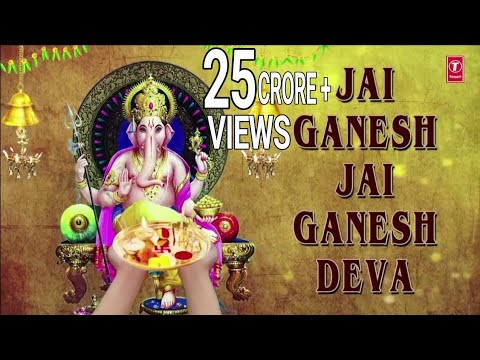
jaya ganesha jaya ganesha jaya ganesha devaa.
maataa jaakee paarvatee pitaa mahaadevaa.
This verse introduces the divine family. It praises Lord Ganesha directly. He is a supreme god. Goddess Parvati is his mother. Lord Shiva is his father. This sets up his origin. Devotees chant his name joyfully. Victory belongs to him. This chant creates positive energy. A deeper meaning exists here. Shiva is pure universal consciousness. Parvati is divine cosmic energy. Ganesha comes from them both. He represents true human intellect. Wisdom needs mind and energy. His origin shows his authority. He rules all worldly matter. He guides pure spirit too. Chanting removes initial mental blocks. This creates a clear space. The repetition builds strong focus. You calm your rushing thoughts. You connect to divine roots. Great wisdom requires strong roots. Recognizing his origin brings respect. Total faith starts the journey.
paana charhem phoola charhem aura charhem mevaa.
lad'uvana kaa bhoga lage santa kare sevaa.
Notice the physical offerings here. Devotees give him betel leaves. They offer fresh fragrant flowers. Dry fruits are also given. He receives sweet laddoos too. Saints bring him pure service. A temple atmosphere is created. Betel leaves show worldly freshness. Flowers represent pure human feelings. Dry fruits mean hard efforts. Laddoos symbolize deep inner joy. Offering these means dropping attachments. We offer our daily life. God needs no physical food. These items show our surrender. The ritual builds daily discipline. Routine creates a strong mind. True service requires pure minds. Saints serve through quiet meditation. Joy comes from loving service. You give up personal greed. You share your inner wealth. Total surrender brings true sweetness. True devotion sweetens the mind. Spiritual acts purify daily habits.
ekadanta dayaavanta chaara bhujaa dhaaree.
mastaka sindoora sohe moose kee savaaree.
The teaching highlights his form. He has one single tusk. He has a kind heart. He has four strong arms. Red vermilion marks his forehead. He rides a tiny mouse. Every detail carries deep meaning. The visual image teaches silently. One tusk means sharp focus. The broken tusk shows sacrifice. True wisdom demands personal sacrifice. Four arms mean inner tools. These represent subtle mental instruments. The red mark shows energy. It represents an awakened eye. The mouse represents human desire. Desires run fast around us. Ganesha sits on the mouse. Intelligence must control human desire. He rules his senses perfectly. He directs his mind well. You must master your desires. Perfect focus leads to wisdom. Control over desires brings peace. Physical forms teach spiritual laws.
andhana ko aankha deta korhina ko kaayaa.
baanjhana ko putra deta nirdhana ko maayaa.
Why does the text heal? He gives sight to blind. He heals the sick body. Childless parents receive a baby. Poor people get great wealth. He fulfills basic human needs. This shows his deep compassion. He heals worldly physical pain. Everyone finds comfort with him. The philosophical meaning goes deeper. Blindness means deep spiritual ignorance. He gives eyes of wisdom. Sickness means carrying heavy karma. He cleanses deep karmic wounds. Childless means lacking creative ideas. He blesses with new thoughts. Poverty means missing inner wealth. He provides pure divine treasure. You must seek inner healing. You overcome your mental limits. He removes deep karmic blocks. Spiritual healing brings true wealth. His grace makes us whole. True abundance lies within us.
deenana kee laaja raakho shambhu suta vaaree.
kaamanaa ko pooraa karo jaga balihaaree.
This moment shows human surrender. Devotees ask for honor protection. He constantly helps the weak. He is Shiva's powerful son. The world sacrifices for him. People ask to fulfill wishes. This forms a humble call. Humans accept their small limitations. The weak surrender to him. This protects them from shame. Honesty brings strong divine protection. The deeper point concerns ego. We must drop false pride. Then divine grace can enter. He fulfills truly pure desires. Bad desires die by wisdom. The world worships his grace. He carries everyone's heavy weight. You accept your human flaws. You trust a higher power. Trusting him brings deep relief. Giving up pride invites protection. True freedom comes from trust. Complete honesty draws divine grace.
jaya ganesha jaya ganesha jaya ganesha devaa.
soorashyaama sharana aaye suphala keeje sevaa.
Building on earlier points now. The opening chant repeats again. Glory belongs to Lord Ganesha. The poet Surdas surrenders completely. He asks for successful results. He wants pure service accepted. This brings the prayer full. We return to joyful chant. The repetition grounds the mind. We seek safe spiritual shelter. Worldly success is not it. The true goal is devotion. Fruitful service means spiritual growth. Surdas represents normal human seekers. We want our efforts recognized. God accepts love and service. You offer your entire life. You ask for pure wisdom. The real success is clarity. Your mind becomes perfectly still. A pure heart finds acceptance. Action without ego brings peace. Devotion completes the spiritual journey.
jaya ganesha jaya ganesha jaya ganesha devaa.
maataa jaakee paarvatee pitaa mahaadevaa.
paana charhem phoola charhem aura charhem mevaa.
lad'uvana kaa bhoga lage santa kare sevaa.
ekadanta dayaavanta chaara bhujaa dhaaree.
mastaka sindoora sohe moose kee savaaree.
andhana ko aankha deta korhina ko kaayaa.
baanjhana ko putra deta nirdhana ko maayaa.
deenana kee laaja raakho shambhu suta vaaree.
kaamanaa ko pooraa karo jaga balihaaree .
jaya ganesha jaya ganesha jaya ganesha devaa.
soorashyaama sharana aaye suphala keeje sevaa.





Other stotras


