Yamuna Ashtakam
मुरारिकायकालिमाललामवारिधारिणी
तृणीकृतत्रिविष्टपा त्रिलोकशोकहारिणी।
मनोनुकूलकूलकुञ्जपुञ्जधूतदुर्मदा
धुनोतु नो मनोमलं कलिन्दनन्दिनी सदा।
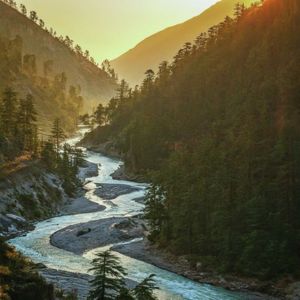
The hymn begins with a beautiful comparison. The river holds dark waters. These waters match Krishna's dark skin. They share the same divine beauty. The river makes heaven look small. It removes sorrow from all worlds. Its banks have pleasant forest groves. These peaceful groves destroy human pride. The poet prays to this river. He asks the river to clean our minds. Outer dirt is easy to wash. Inner dirt needs divine grace. The mind easily gathers ego and pride. The river washes this stubborn inner dirt. Divine touch removes our false ego. True purity always starts from within. A clean mind is the highest heaven. Inner peace naturally follows this state.
मलापहारिवारिपूरिभूरिमण्डितामृता
भृशं प्रवातकप्रपञ्चनातिपण्डितानिशा।
सुनन्दनन्दिनाङ्गसङ्गरागरञ्जिता हिता
धुनोतु नो मनोमलं कलिन्दनन्दिनी सदा।
Notice how the verse praises the water. The river is full of nectar. This sweet water washes away impurities. Strong winds blow across its surface. The water looks beautiful at night. The river touches Krishna's divine body. This touch turns the water reddish. The river always brings good fortune. The poet asks it to purify us. Water sustains all physical life. Divine water sustains the soul. The reddish tint shows divine love. Love is the great purifier. It washes away our deep selfish traits. God's touch changes our basic nature. True devotion colours the human mind. It washes away all worldly stains.
लसत्तरङ्गसङ्गधूतभूतजातपातका
नवीनमाधुरीधुरीणभक्तिजातचातका।
तटान्तवासदासहंससंवृताह्निकामदा
धुनोतु नो मनोमलं कलिन्दनन्दिनी सदा।
A deeper truth hides in the waves. The dancing waves hold immense power. They wash away human sins. The river offers fresh sweet devotion. Devotees wait for this sweet devotion. They wait like thirsty Chataka birds. White swans live on the riverbanks. These birds perform their daily routines. They feel great joy near the water. The prayer asks for a clean mind. Moving water represents constant spiritual action. Stagnant water becomes very dirty. The mind must keep moving towards God. Devotion acts like a deep thirst. The soul craves this pure nectar. Pure surroundings naturally create pure habits. Constant devotion washes away past karma. The mind becomes light and free.
विहाररासखेदभेदधीरतीरमारुता
गता गिरामगोचरे यदीयनीरचारुता।
प्रवाहसाहचर्यपूतमेदिनीनदीनदा
धुनोतु नो मनोमलं कलिन्दनन्दिनी सदा।
This verse describes a gentle cooling breeze. A soft wind blows on the banks. It removes the fatigue of divine play. The beauty of this water is great. Words cannot fully describe this beauty. The river flows across the land. It purifies the earth along its path. It purifies other rivers and streams. May this river cleanse our minds. Divine joy often brings a sweet tiredness. The cool breeze represents divine comfort. God's grace flows just like a river. It uplifts everything it touches. Holy company elevates our own character. True beauty sits far beyond human language. Grace purifies the entire surrounding space. It leaves nothing untouched or unchanged.
तरङ्गसङ्गसैकतान्तरातितं सदासिता
शरन्निशाकरांशुमञ्जुमञ्जरी सभाजिता।
भवार्चनाप्रचारुणाम्बुनाधुना विशारदा
धुनोतु नो मनोमलं कलिन्दनन्दिनी सदा।
Building on the flow the scenery changes. The dark waves touch the white sand. Autumn moonlight falls on the water. The river shines brightly in the night. Lord Shiva worships this holy water. The world praises this beautiful river. The water holds deep spiritual wisdom. The poet prays for inner purity. The dark water meets the white sand. This shows the union of opposites. Light and dark exist together in harmony. The moonlight brings calm and peace. The mind needs this deep calm too. Wisdom flows like a steady river. Nature acts as a silent spiritual teacher. True wisdom clears the mental fog. It brings the soul immense peace.
जलान्तकेलिकारिचारुराधिकाङ्गरागिणी
स्वभर्त्तुरन्यदुर्लभाङ्गताङ्गताम्शभागिनी।
स्वदत्तसुप्तसप्तसिन्धुभेदिनातिकोविदा
धुनोतु नो मनोमलं कलिन्दनन्दिनी सदा।
What gives this river its unique colour? Radha plays happily in these waters. Her colorful cosmetics wash into the river. The water absorbs these bright colours. The river gains a very rare form. Even great gods cannot easily get this. The river cuts through seven deep oceans. It has immense power and skill. May it wash away our mental dirt. The river carries the essence of devotion. It absorbs the love of pure souls. Love gives the water its real power. This divine love is extremely rare. It can break through massive obstacles. Seven oceans represent deep worldly attachments. Devotion easily cuts through heavy worldly bonds. True love transforms ordinary things completely. It turns them into powerful forces.
जलच्युताच्युताङ्गरागलम्पटालिशालिनी
विलोलराधिकाकचान्तचम्पकालिमालिनी।
सदावगाहनावतीर्णभर्तृभृत्यनारदा
धुनोतु नो मनोमलं कलिन्दनन्दिनी सदा।
The text now captures a lively scene. Krishna's fragrant ointments wash into the water. Swarms of bees follow this sweet smell. Radha's hair comes loose during water sports. Yellow Champaka flowers fall from her hair. They float beautifully on the river surface. Sage Narada comes here to take a bath. Other great devotees bathe here too. The river cleanses our impure minds. Fragrance represents the lingering effect of goodness. Pure actions leave a sweet smell behind. The bees seek real divine sweetness. The mind should act like these bees. It must chase true spiritual joy. Sages bathe here to gain pure love. Holy places absorb the energy of saints. We must seek places of high energy. They naturally pull the mind upward.
सदैव नन्दिनन्दकेलिशालिकुञ्जमञ्जुला
तटोत्थफुल्लमल्लिकाकदम्बरेणुसूज्ज्वला।
जलावगाहिणां नृणां भवाब्धिसिन्धुपारदा
धुनोतु नो मनोमलं कलिन्दनन्दिनी सदा।
This final verse highlights the beautiful riverbanks. The banks have lovely green forest groves. Krishna plays happily in these thick groves. Jasmine flowers bloom on the shores. Kadamba flowers drop their yellow pollen. The pollen makes the water shine brightly. People bathe in this holy river. The river helps them cross life's ocean. May it clean our minds forever. The river banks are places of joy. They show the beauty of divine play. Blooming flowers represent a fully awakened soul. Bathing means soaking in spiritual truth. Life's ocean is vast and scary. The river acts as a safe boat. Crossing life's ocean requires a pure mind. Surrender leads to final spiritual freedom. Grace safely carries the soul home.
मुरारिकायकालिमाललामवारिधारिणी
तृणीकृतत्रिविष्टपा त्रिलोकशोकहारिणी।
मनोनुकूलकूलकुञ्जपुञ्जधूतदुर्मदा
धुनोतु नो मनोमलं कलिन्दनन्दिनी सदा।
मलापहारिवारिपूरिभूरिमण्डितामृता
भृशं प्रवातकप्रपञ्चनातिपण्डितानिशा।
सुनन्दनन्दिनाङ्गसङ्गरागरञ्जिता हिता
धुनोतु नो मनोमलं कलिन्दनन्दिनी सदा।
लसत्तरङ्गसङ्गधूतभूतजातपातका
नवीनमाधुरीधुरीणभक्तिजातचातका।
तटान्तवासदासहंससंवृताह्निकामदा
धुनोतु नो मनोमलं कलिन्दनन्दिनी सदा।
विहाररासखेदभेदधीरतीरमारुता
गता गिरामगोचरे यदीयनीरचारुता।
प्रवाहसाहचर्यपूतमेदिनीनदीनदा
धुनोतु नो मनोमलं कलिन्दनन्दिनी सदा।
तरङ्गसङ्गसैकतान्तरातितं सदासिता
शरन्निशाकरांशुमञ्जुमञ्जरी सभाजिता।
भवार्चनाप्रचारुणाम्बुनाधुना विशारदा
धुनोतु नो मनोमलं कलिन्दनन्दिनी सदा।
जलान्तकेलिकारिचारुराधिकाङ्गरागिणी
स्वभर्त्तुरन्यदुर्लभाङ्गताङ्गताम्शभागिनी।
स्वदत्तसुप्तसप्तसिन्धुभेदिनातिकोविदा
धुनोतु नो मनोमलं कलिन्दनन्दिनी सदा।
जलच्युताच्युताङ्गरागलम्पटालिशालिनी
विलोलराधिकाकचान्तचम्पकालिमालिनी।
सदावगाहनावतीर्णभर्तृभृत्यनारदा
धुनोतु नो मनोमलं कलिन्दनन्दिनी सदा।
सदैव नन्दिनन्दकेलिशालिकुञ्जमञ्जुला
तटोत्थफुल्लमल्लिकाकदम्बरेणुसूज्ज्वला।
जलावगाहिणां नृणां भवाब्धिसिन्धुपारदा
धुनोतु नो मनोमलं कलिन्दनन्दिनी सदा।
muraarikaayakaalimaa-
lalaamavaaridhaarinee
tri'neekri'tatrivisht'apaa trilokashokahaarinee.
manonukoolakoolakunja-
punjadhootadurmadaa
dhunotu no manomalam kalindanandinee sadaa.
malaapahaarivaaripoori-
bhoorimand'itaamri'taa
bhri'sham pravaatakaprapancha-
naatipand'itaanishaa.
sunandanandinaangasangaraagaranjitaa hitaa
dhunotu no manomalam kalindanandinee sadaa.
lasattarangasangadhoota-
bhootajaatapaatakaa
naveenamaadhureedhureena-
bhaktijaatachaatakaa.
tat'aantavaasadaasahamsa-
samvri'taahnikaamadaa
dhunotu no manomalam kalindanandinee sadaa.
vihaararaasakhedabheda-
dheerateeramaarutaa
gataa giraamagochare yadeeyaneerachaarutaa.
pravaahasaahacharyapoota-
medineenadeenadaa
dhunotu no manomalam kalindanandinee sadaa.
tarangasangasaikataantaraatitam sadaasitaa
sharannishaakaraamshumanjumanjaree sabhaajitaa.
bhavaarchanaaprachaaruna-
ambunaadhunaa vishaaradaa
dhunotu no manomalam kalindanandinee sadaa.
jalaantakelikaarichaaru-
raadhikaangaraaginee
svabhartturanyadurlabha-
angataangataamshabhaaginee.
svadattasuptasaptasindhu-
bhedinaatikovidaa
dhunotu no manomalam kalindanandinee sadaa.
jalachyutaachyutaanga-
raagalampat'aalishaalinee
vilolaraadhikaakachaanta-
champakaalimaalinee.
sadaavagaahanaavateerna-
bhartri'bhri'tyanaaradaa
dhunotu no manomalam kalindanandinee sadaa.
sadaiva nandinandakelishaalikunjamanjulaa
tat'otthaphullamallikaa-
kadambarenusoojjvalaa.
jalaavagaahinaam nri'naam bhavaabdhisindhupaaradaa
dhunotu no manomalam kalindanandinee sadaa.





Other stotras


