Sharavanabhava Stotram
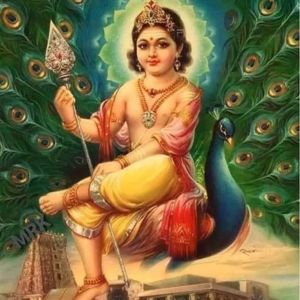
Lyrics:
शक्तिस्वरूपाय शरोद्भवाय
शक्रार्चितायाथ शचीस्तुताय।
शमाय शम्भुप्रणवार्थदाय
शकाररूपाय नमो गुहाय।।1।।
रणन्मणिप्रोज्ज्वलमेखलाय
रमासनाथप्रणवार्थदाय।
रतीशपूज्याय रविप्रभाय
रकाररूपाय नमो गुहाय।।2।।
वराय वर्णाश्रमरक्षकाय
वरत्रिशूलाभयमण्डिताय।
वलारिकन्यासुकृतालयाय
वकाररूपाय नमो गुहाय।।3।।
नगेन्द्रकन्येश्वरतत्त्वदाय
नगाधिरूढाय नगार्चिताय।
नगासुरघ्नाय नगालयाय
नकाररूपाय नमो गुहाय।।4।।
भवाय भर्गाय भवात्मजाय
भस्मायमानाद्भुतविग्रहाय।
भक्तेष्टकामप्रदकल्पकाय
भकाररूपाय नमो गुहाय।।5।।
वल्लीवलारातिसुतार्चिताय
वराङ्गरागाञ्चितविग्रहाय।
वल्लीकराम्भोरुहमर्दिताय
वकाररूपाय नमो गुहाय।।6।।
shaktisvaroopaaya sharodbhavaaya
shakraarchitaayaatha shacheestutaaya.
shamaaya shambhupranavaarthadaaya
shakaararoopaaya namo guhaaya..1..
rananmaniprojjvalamekhalaaya
ramaasanaathapranavaarthadaaya.
rateeshapoojyaaya raviprabhaaya
rakaararoopaaya namo guhaaya..2..
varaaya varnaashramarakshakaaya
varatrishoolaabhayamand'itaaya.
valaarikanyaasukri'taalayaaya
vakaararoopaaya namo guhaaya..3..
nagendrakanyeshvaratattvadaaya
nagaadhirood'haaya nagaarchitaaya.
nagaasuraghnaaya nagaalayaaya
nakaararoopaaya namo guhaaya..4..
bhavaaya bhargaaya bhavaatmajaaya
bhasmaayamaanaadbhutavigrahaaya.
bhaktesht'akaamapradakalpakaaya
bhakaararoopaaya namo guhaaya..5..
valleevalaaraatisutaarchitaaya
varaangaraagaanchitavigrahaaya.
valleekaraambhoruhamarditaaya
vakaararoopaaya namo guhaaya..6..
Meaning:
Verse 1
शक्तिस्वरूपाय शरोद्भवाय
शक्रार्चितायाथ शचीस्तुताय।
शमाय शम्भुप्रणवार्थदाय
शकाररूपाय नमो गुहाय।।1।।
The literal meaning of this verse offers profound salutations to Lord Guha, who represents the physical and spiritual embodiment of divine energy. He is described as the one born in a forest of reeds, adored by Indra, and glorified by Sachi. Furthermore, he is the very personification of tranquility who imparted the esoteric meaning of the sacred syllable Om to Lord Shiva himself. Ultimately, he is the manifestation of the Sanskrit syllable Sha.
From a mythological perspective, this verse encapsulates the miraculous birth of Lord Kartikeya. He emerged as a spark from the third eye of Shiva and was nurtured in a sacred reed forest, known as Sharavana. His creation was specifically destined to protect the celestial beings, which is why Indra and his consort Sachi hold him in the highest reverence. The verse also highlights the famous episode where the young Skanda assumes the role of a guru to his own father, Shiva, teaching him the absolute meaning of the Pranava mantra.
Philosophically, the syllable Sha represents the initial spark of divine consciousness and supreme power. By addressing him as Guha, the dweller of the heart cave, the hymn suggests that this absolute energy resides intimately within the subtle heart of every seeker. The epithet of peace indicates that true spiritual realization of this inner power culminates in absolute mental stillness and liberation from worldly suffering.
Verse 2
रणन्मणिप्रोज्ज्वलमेखलाय
रमासनाथप्रणवार्थदाय।
रतीशपूज्याय रविप्रभाय
रकाररूपाय नमो गुहाय।।2।।
In its literal translation, this verse bows down to Lord Guha who is beautifully adorned with a radiant and tinkling jeweled waistband. It states that he elucidated the profound meaning of the Pranava mantra to Lord Vishnu, the consort of Goddess Rama. Furthermore, the verse describes him as being worshipped by Kama, the lord of Rati, possessing the blinding brilliance of the sun, and embodying the mystical syllable Ra.
The mythological context of this stanza continues to elevate the supreme status of Lord Murugan among the traditional Hindu trinity. Just as he instructed Shiva, he is depicted here as the spiritual guide to Vishnu, illuminating the deepest truths of the cosmic sound Om. His worship by the god of love signifies his unparalleled charm and eternal youthfulness, which surpasses even the beauty of Kama. His solar radiance connects him to the fiery nature of his birth from the intense sparks of Shiva.
On a deeper spiritual level, the syllable Ra is considered a seed sound of fire and transformation in the tantric tradition. It symbolizes the burning away of spiritual ignorance and material attachments. The tinkling jeweled belt represents the rhythmic vibrations of the universe maintained by divine law. By meditating on this fiery, luminous form of Guha, the devotee invokes inner illumination, seeking to dissolve the darkness of the ego in the radiant light of pure, unadulterated consciousness.
Verse 3
वराय वर्णाश्रमरक्षकाय
वरत्रिशूलाभयमण्डिताय।
वलारिकन्यासुकृतालयाय
वकाररूपाय नमो गुहाय।।3।।
Literally translated, this verse offers homage to Lord Guha, the most excellent one, who stands as the ultimate protector of the social and spiritual orders known as Varna and Ashrama. He is beautifully decorated with a magnificent trident and displays the gesture of fearlessness. The verse identifies him as the sacred repository of the meritorious deeds of Indra's daughter, Devasena, and declares him to be the manifestation of the mystical syllable Va.
Mythologically, this verse brings attention to his role as the supreme commander of the divine army and the upholder of cosmic dharma. His marriage to Devasena, the celestial daughter of Indra, was a reward for his victory over the demonic forces, symbolizing the union of divine grace and heavenly merit. The trident he wields is a divine weapon gifted by his parents, meant to destroy the three fundamental impurities of ego, karma, and illusion.
Philosophically, the syllable Va vibrates with the energy of auspiciousness, divine grace, and spiritual nourishment. The mention of protecting Varna and Ashrama signifies the preservation of harmony and balance in both the external society and the internal stages of spiritual evolution. The gesture of fearlessness assures the sincere seeker that divine protection is ever present. Thus, Guha represents the safe harbor where the soul is shielded from worldly anxieties and guided toward the ultimate spiritual integration.
Verse 4
नगेन्द्रकन्येश्वरतत्त्वदाय
नगाधिरूढाय नगार्चिताय।
नगासुरघ्नाय नगालयाय
नकाररूपाय नमो गुहाय।।4।।
The literal translation of this verse honors Lord Guha as the one who bestowed the ultimate truth upon the lord of the mountain king's daughter. He is described as the deity who rides upon a mountain, is deeply worshipped by the mountains, and destroyed the formidable mountain demon. Residing peacefully in his mountainous abodes, he perfectly embodies the sacred Sanskrit syllable Na.
The mythological narrative embedded here utilizes the word Naga extensively, denoting both a mountain and a serpent. The lord of the mountain king's daughter refers to Shiva, reiterating the sacred episode of Skanda teaching his father the highest philosophical reality. The destruction of the mountain demon highlights his legendary piercing of the Krauncha mountain, an evil entity allied with the demon Surapadma. His residence in the mountains perfectly reflects his association with elevated, sacred hill shrines, most notably the famous six abodes of Murugan in South India.
In Indian philosophy, the syllable Na represents the principle of negation, the stripping away of the false self, leaving only the absolute reality. The mountain metaphor symbolizes the towering, immovable strength of divine consciousness. The piercing of the mountain demon represents the destruction of deeply rooted, rock-hard ignorance and massive ego within the human mind. Guha serves as the supreme spiritual force that shatters inner stagnation and elevates the soul to the highest peaks of divine wisdom.
Verse 5
भवाय भर्गाय भवात्मजाय
भस्मायमानाद्भुतविग्रहाय।
भक्तेष्टकामप्रदकल्पकाय
भकाररूपाय नमो गुहाय।।5।।
The literal meaning of this verse extends salutations to Lord Guha, referring to him as the source of existence and the radiant one. He is explicitly identified as the divine son of Lord Shiva. His wondrous physical form is beautifully described as being adorned with sacred ash. Furthermore, he acts as a celestial wish-fulfilling tree, generously granting the desires of his devotees, and he takes the pure form of the syllable Bha.
In the mythological context, the titles Bhava and Bharga are traditional names of Shiva, indicating that the son is entirely non-different from the father. Lord Murugan inherits the ascetic features of Shiva, displaying a mystical form that transcends ordinary worldly existence. As the divine offspring, he carries the immense responsibility of maintaining cosmic order, simultaneously functioning as a compassionate provider for his followers, much like the mythical Kalpavriksha tree found in the heavenly realms.
Philosophically, the syllable Bha represents luminosity, divine nourishment, and the sustaining power of the supreme presence. The imagery of ash symbolizes the ultimate reality remaining after all material illusions and attachments have been burned away in the fire of spiritual knowledge. Calling him the source of existence implies that Guha is the fundamental energetic substrate of the universe. He grants material boons to gently guide his devotees toward the ultimate desire of final spiritual liberation.
Verse 6
वल्लीवलारातिसुतार्चिताय
वराङ्गरागाञ्चितविग्रहाय।
वल्लीकराम्भोरुहमर्दिताय
वकाररूपाय नमो गुहाय।।6।।
This final verse offers literal salutations to Lord Guha, who is lovingly worshipped by his divine consorts, Valli and the daughter of Indra. His magnificent body is described as being adorned with excellent and fragrant unguents. The verse portrays a tender scene where his lotus feet are gently massaged by the delicate hands of Valli, concluding by identifying him as the embodiment of the syllable Va.
The mythological layer beautifully unites the dual aspects of Murugan's grace through his consorts. Devasena, the celestial daughter of Indra, represents rule-bound devotion and heavenly purity. In contrast, Valli, the earthly tribal princess, represents spontaneous and unconditioned love. His body smeared with fragrant colors signifies the joyous celebration of his divine marriage and his deep accessibility to all followers. The intimate act of massaging his feet depicts the supreme devotion and surrender of the soul.
Philosophically, the concluding syllable Va completes the sacred six-lettered mantra Sharavanabhava. The two consorts symbolize the twin powers of action and knowledge, with the Lord seated between them as supreme consciousness. The fragrant unguents represent the blooming of spiritual virtues within the seeker's mind. The massaging of the feet signifies continuous, meditative remembrance of the divine foundation. Ultimately, the complete mantra guides the practitioner into the hidden cave of the heart, where Lord Guha eternally resides.





Other stotras


