Kubera: The Divine Guardian of Treasures
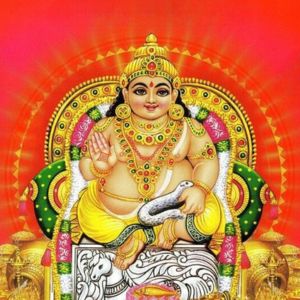
In our scriptures, Kubera embodies wealth, prosperity, and the power of transformation. Revered as the guardian of treasures and the king of the Yakshas, Kubera’s story is a tale of redemption, divine grace, and the profound impact of spirituality.
From Gunanidhi to Kubera: A Path from Vice to Virtue
In the ancient city of Kampilya, there lived a learned priest named Yajnadatta. Respected for his Vedanta wisdom, Yajnadatta took pride in his son, Gunanidhi, who was as bright as the moon. Yet, beneath his radiant exterior, Gunanidhi harbored a dark secret: he was ensnared by the vice of gambling.
Despite his mother’s gentle pleas, Gunanidhi's addiction deepened. He abandoned his sacred duties and blasphemed against the Vedas. His indulgent mother, fearing the impact on Yajnadatta, concealed her son’s actions. Yajnadatta, unaware of the deceit, continued to trust in his son's diligence.
The Heartbreaking Revelation and Flight
The truth emerged when Yajnadatta discovered his diamond ring on a gambler’s finger. Faced with Gunanidhi’s betrayal, Yajnadatta was devastated. Yajnadatta believed that his son was irredeemable. Fleeing in fear and shame, Gunanidhi left his home, tormented by hunger and regret.
Shivaratri: A Night of Divine Encounter
Gunanidhi’s journey led him to a tree outside a distant temple on Sivaratri, a night dedicated to Lord Shiva. As dusk fell, devotees arrived with offerings. Driven by hunger, Gunanidhi planned to steal the offerings once the devotees left.
As the devotees sang Siva's thousand names and danced in devotion, Gunanidhi waited. Eventually, they all fell asleep outside the temple. Gunanidhi crept inside, but the dim lamp hindered his search for food. He brightened the lamp’s flame and collected the offerings. However, he accidentally woke one of the sleeping devotees.
The Consequences and Divine Redemption
Caught in the act, Gunanidhi faced the devotees' wrath and was beaten to death. As his soul departed, Yama’s soldiers arrived to drag him to Yamaloka. However, Siva's celestial attendants appeared, proclaiming Gunanidhi’s redemption. Despite his sins, he had observed fasting on Sivaratri and kindled the temple lamp, sacred acts in Shiva's eyes.
The Yamadutas released him, and the Sivaganas escorted Gunanidhi to Sivaloka, where he was purified by divine grace.
The Rebirth as Kubera
Gunanidhi was reborn as Dama, the son of King Arindama of Kalinga. He became a devout worshiper of Siva, transforming his kingdom into a realm of divine illumination. In his quest for deeper spirituality, Dama journeyed to Kashi and performed intense tapasya..
Impressed by his devotion, Lord Siva appeared with Devi Parvati. Overwhelmed by Parvati’s perpetual presence by the Lord's side, Dama became envious and stared at Devi. He was cursed by Devi to become blind in one eye.
Kubera’s Divine Role and Eternal Light
But then Devi pardoned him and with the blessings of the divine couple, Kubera became the master of all treasures. Lord Shiva gave him a place near Kailasa which Kubera made his capital and named it Alaka. The two became eternal neighbors, symbolizing the deep connection between human devotion and divine grace.
The Legacy of Kubera
Kubera's tale reminds us that transformation and redemption are always possible. Even in the darkest times, enlightenment and divine grace can shine through. As Vyasa assures, those who listen to or read this story attentively will enjoy every worldly pleasure and attain moksha hereafter.
May Kubera’s journey inspire us to seek virtue, light our inner lamps, and embrace the transformative power of divine grace.
- What is the significance of Gunanidhis act of brightening the temple lamp if his intention was actually to steal?
This highlights the profound concept of Ajnata Punya or unknown merit. Even though Gunanidhi acted out of a personal need to see the food he intended to steal, the physical act of removing darkness from the presence of the deity on the sacred night of Shivaratri was so powerful that it overrode his negative intentions. It suggests that in the presence of the Divine, even an accidental service can become a seed for total redemption. - Why did the Sivaganas claim Gunanidhis soul despite his history of gambling and blasphemy?
The Sivaganas recognized that Gunanidhi had inadvertently fulfilled the three pillars of Shivaratri observance: fasting, staying awake during the night, and offering light. In the spiritual economy of the Puranas, the sanctity of the time and the place can amplify a single virtuous act to outweigh a lifetime of vice, demonstrating that grace is not always a matter of logic but of divine compassion. - What does the transition from a gamblers son to the King of Kalinga represent in the journey of the soul?
The rebirth as Prince Dama represents the intermediate stage of purification. Before one can become a cosmic guardian like Kubera, the soul must prove its devotion in a position of earthly power. By turning his kingdom into a realm of light, Dama corrected his previous life’s error of spreading darkness, proving that true repentance manifests as a commitment to communal well-being. - Why was Kubera cursed by Parvati for looking at her, and what does this reveal about his spiritual state at that moment?
Despite his intense penance, Kubera still possessed a trace of worldly ego and envy regarding the closeness between Shiva and Parvati. The curse of losing an eye represents the shedding of the distorted, dualistic vision of the world. It was a final purification that taught him that divine beauty and grace are not objects to be envied but truths to be realized. - How does the relationship between Shiva and Kubera explain the spiritual view of wealth?
Kubera being the master of treasures while living as a neighbor to Shiva, the ultimate ascetic, signifies that wealth is most auspicious when it is adjacent to detachment. True prosperity serves a divine purpose and should be governed by spiritual principles rather than greed. Wealth (Kubera) is the neighbor and friend of Wisdom (Shiva), not its master. - What is the hidden meaning behind Kubera being the King of the Yakshas?
Yakshas are often seen as enigmatic beings associated with the hidden treasures of the earth and the mysteries of nature. By becoming their king, Kubera symbolizes the mastery over the hidden forces of the material world. It suggests that spiritual evolution grants one control over the subtle energies that govern physical reality. - How does Gunanidhis mother's role reflect the complexities of karma and influence?
His mother’s indulgent love and concealment of his vices acted as a temporary shield that allowed his downward spiral to continue. This teaches that misguided compassion can sometimes hinder a souls growth, yet it also highlights the tragic human element in the path toward vice, making Gunanidhi’s eventual redemption even more miraculous. - What is the significance of Alaka, Kuberas capital, being located near Mount Kailasa?
Alaka represents the pinnacle of material opulence, while Kailasa represents the pinnacle of spiritual silence. Their proximity suggests a perfect balance in the universe where the material and the spiritual exist in harmony. It implies that one can enjoy worldly pleasures while remaining in the constant shadow of the Divine. - In what way does this story challenge the idea that certain people are irredeemable?
Yajnadatta, a learned priest, gave up on his son, believing him to be beyond saving. However, Lord Shiva saw a spark worth fanning into a flame. This story asserts that human judgment is limited and that the Divine can find a path to virtue even in the most fallen individuals, provided there is a moment of connection with the light. - What is the profound mystery behind Kubera’s name and physical appearance?
Kubera is often described as having a unique physical form, including a yellow eye and a distinct stature. These features are reminders of his journey—his past sins, his intense penance, and the divine intervention that reshaped him. His appearance serves as a living testimony that our scars and past mistakes, when touched by grace, become marks of divine distinction and power.





English
Purana Stories
Click on any topic to open
7
30
Astrology
Bhagavad Gita
Bhagavatam
Bharat Matha
Devi
Devi Mahatmyam
Ganapathy
Garuda Puranam
Glory of Venkatesha
Hanuman
Kathopanishad
Mahabharatam
Mantra Shastra
Mystique
Practical Wisdom
Purana Stories
Radhe Radhe
Ramayana
Rare Topics
Rigveda Explained
Rituals
Sages and Saints
Shiva
Spiritual books
Sri Suktam
Story of Sri Yantra
Temples
Vedas
Vishnu Sahasranama
Yoga Vasishta
26
17
10
0


