If Water Purifies, Why Doesn’t Fish Get Moksha?
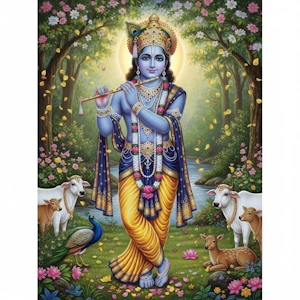
प्राणदः – प्राणान् ददाति इति प्राणदः – giver of life.
प्राणान् द्यति खण्डयति इति प्राणदः – taker of life also. He alone gives life, he alone takes life. At the time of pralaya, he alone takes all lives, of all living beings. Why pralaya, even regular death, that is caused by him. The cycle of rebirths is caused by him. Rebirth happens only after death.
प्राणान् दीपयति शोधयति – like how fire purifies gold, he purifies lives. Hence Pranadaha. He only makes lives meaningful, noble.
What is tapasya or tapas?
शिलोञ्छवृत्तयो ये वै दन्तोलूखलिकाश्च ये ॥ येऽश्मकुट्टाश्च मुनयः शीर्णपर्णाशिनश्च ये ।
ग्रीष्मे पञ्चाग्नितपसो वर्षासु स्थण्डिलेशयाः ॥ हेमन्ते शिशिरे वा ये क्षिपन्ति सलिले क्षपाः ।
कुशाग्रनीरबिन्दूंश्च तृषिता यतयोऽपिबन् ॥ वाताशिनोऽतिक्षुधिताः पादाङ्गुष्ठाग्रभूस्पृशः ।
ऊर्द्ध्वहस्ता रविदृशस्त्वेकाङ्घ्रिस्थाननिश्चलाः ॥ ये वै दिवानिरुच्छ्वासा मासोच्छ्वासाश्च ये परे ।
मासोपवासं कुर्व्वन्ति चातुर्म्मास्यव्रताश्च ये ॥ ऋत्वन्ते तोयपाना ये ये षण्मासोपवासकाः ।
ये च वर्षानिमेषा वै वर्षधाराम्बुतर्षकाः ॥ स्थाणुसाम्योपसंप्राप्ता मृगकण्डूतिसौख्यदाः ।
जटाटवीकोटरान्तः कृतनीडाण्डजाश्च ये ॥ प्ररूढवल्मिकाङ्गाश्च स्नायुनद्धास्थिसञ्चयाः ।
लताप्रतानैः परितो वेष्टितावयवाश्च ये ॥ शस्यानि च प्ररूढानि यदङ्गेषु महीपते ! ।
इत्येतैर्न्नियमैर्य्ये तु क्लिष्टात्मानस्तपोधनाः ॥ ब्रह्मायुषस्तपोलोके ते वसन्त्यकुतोभयाः
What do tapasas do?
शिलोञ्छवृत्तयः – they collect leftover grains from the fields after harvest. That is their food.
दन्तोलूखलिकाः – and they use their teeth to dehusk these grains.
अश्मकुट्टाः – they don’t have machines to grind these grains, they use stones to grind them, powder them.
That is how they consume them. No cooking. No adding of masala or anything for taste. Food is only for bare subsistence of the body.
What else –
They are शीर्णपर्णाशिनः – they eat dry leaves that have fallen from trees. See ahimsa is reflecting here. Grains that have fallen in the fields, leaves that have become dry and fallen from the trees. They don’t break leaves and eat, they don’t pluck fruits and eat. Whatever has fallen they eat.
In summer they do panchagni sadhana – they ignite fire all around them and the blazing summer sun above. This is panchangni sadhana – four agnis on four sides and the sun above.
And during rains, sleeping on the ground. And in the freezing cold of hemanta and even shishir, they stay in water.
When they are thirsty, they drink a few drops of water falling off the tips of kusha grass.
When they are very hungry, they swallow a little bit of air.
You may find them standing on the thumbs of their feet.
Sometimes you will find some of them standing still on one leg with their hands raised and gazing at the sun with eyes that never close.
Some of them can manage not to breathe for a whole day, some don’t breathe even for a month. That is their yogic power.
Some don’t take food for a whole month, some for four months, some tapaswis take a little bit of water only at the end of the six seasons, some don’t eat anything for six months.
Some of them won’t close their eyelids for a whole year.
Some would drink only drops of rainwater as they fall from the sky.
They stay inside caves, deep inside the forest.
Some of them are so still that termite mounds grow around them, covering them.
Their bodies will have only bones and veins.
Creepers grow around them.
Their leaves become their clothes.
This is how tapas is observed. This is how they attain moksha.
But then, one doubt –
मीनः स्नानरतः फणी पवनभुक् मेषस्तु पर्णाशनः
नीराशी खलु चातकः प्रतिदिनं शेते बिले मूषकः
भस्मोद्धूलनतत्परो ननु खरो ध्यानाधिसारो बकः
सर्वे किं न हि यान्ति मोक्षपदवीं भक्तिप्रधानं तपः
Fish also stays always inside water. If water is so purifying then why is fish not getting moksha?
Snake also swallows air. Why is snake not getting moksha?
Goats, they eat only leaves, why are they not getting moksha?
The bird called hornbill, that drinks only rainwater, why is that not getting moksha?
If staying in caves could have given moksha, then all the rats would have got moksha by now.
Some say if you apply bhasma all over your body and sleep on bhasma, you will get moksha. Bhasma is so divine.
But donkeys, you see, they love to sleep on ashes. Wherever they see ashes, they roll all over them and would sleep on them. Why are donkeys not getting moksha?
And cranes, the birds, they are the most intense meditators in the world. This is what you feel when you see them sitting by the side of water bodies. Why are cranes not getting moksha?
Because –
भक्तिप्रधानं तपः – none of these would work if faith is not there, devotion is not there.
-
If he gives and takes life, what can my daily japa change?
It changes how you live the life you have. Sahasranama steadies breath, reduces panic, and sharpens choices. A steadier day attracts steadier help. -
Do extreme austerities guarantee results?
No. Tapas without bhakti is like a lamp without oil. A simple, honest round of nama with attention outruns showy hardship. -
Why is water, ash, caves, or fasting not enough?
Because objects and settings are tools, not the source. The source is Sri Hari. Direct the heart to him with names; use tools only to support attention. -
How do I test whether my chanting is real progress?
Track three numbers for 21 days: resting pulse after japa, minutes to fall asleep, and anger recovery time. If they drop, bhakti is working. -
What is the minimal daily routine that holds even on bad days?
One clean seat, one lamp, one mala. 54 names aloud, 54 whisper, 54 mental. End with ‘All results at your feet, Sri Hari.’ -
If devotion is the key, how do I grow it when I feel dry?
Let the body lead. Sit upright, slow exhale, speak the names clearly. Feeling follows posture and sound. -
Can sahasranama help with cravings and compulsions?
Yes. Use a 90-second burst: chant one nama slightly louder, then 30 seconds of quiet. The urge loses grip and you regain choice. -
How does nama japa touch physical health without making tall claims?
It lowers stress spikes, steadies heart rate, and improves sleep onset. With a calmer mind you keep diet, medicine, and movement on track. -
What should I do when fear of death or disease rises?
Pick 12 protection names, chant slowly, then take one concrete action: doctor call, medicine check, or walk. Prayer plus action is strength. -
How do I bring family in without friction?
Fix a 2-minute anchor before dinner. Low volume, one nama together, one line of gratitude. Rhythm first; belief matures later. -
A relative mocks my practice; should I argue?
No. Reduce display, increase regularity. Let punctuality, calm tone, and reliability make the case. -
Is speed impressive in sahasranama?
No. Clarity is power. Choose a pace where every name lands. Ten clean minutes daily beats a rushed hour weekly. -
How do I use japa on days of anger or guilt?
Begin with one honest line of apology and one repair act scheduled today. Then chant. Japa with repair purifies fast. -
Does listening count if I cannot speak much due to illness or travel?
Yes. Listen to sahasranama and do mental japa synced to breath. Add short whispered rounds in queues or rides. -
What is a weekly frame that actually sticks?
Daily: 5–7 minutes nama morning and night. Midweek: one sahasranama quarter with family. Weekend: full sahasranama once, followed by a small anonymous help act. -
How do I know he has noticed?
Three signs appear: timely help you did not arrange, easier right choices under pressure, and softer behavior at home. When these rise, attention has landed.





English
Vishnu Sahasranama
Click on any topic to open
7
30
Astrology
Bhagavad Gita
Bhagavatam
Bharat Matha
Devi
Devi Mahatmyam
Ganapathy
Garuda Puranam
Glory of Venkatesha
Hanuman
Kathopanishad
Mahabharatam
Mantra Shastra
Mystique
Practical Wisdom
Purana Stories
Radhe Radhe
Ramayana
Rare Topics
Rigveda Explained
Rituals
Sages and Saints
Shiva
Spiritual books
Sri Suktam
Story of Sri Yantra
Temples
Vedas
Vishnu Sahasranama
Yoga Vasishta
26
17
10
0


