How to Deal with Contradictions Within Hinduism?
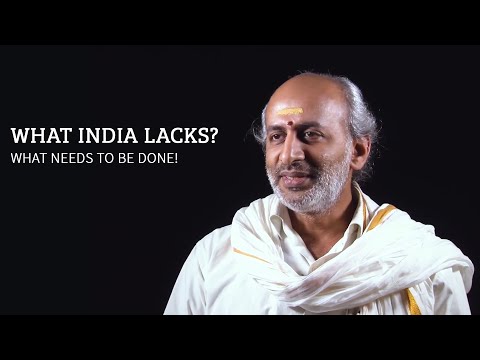
A layman may find contradictions within Hinduism.
Many a time, even among scholars, debates take place over which principle is correct and which is not.
Hinduism consists of principles for living a virtuous life.
Some of these principles could contradict one another due to many reasons.
Hinduism evolves as time progresses
Hinduism is very ancient.
The Puranas narrate incidents as old as 1.8 billion years or even as recent as a few thousand years.
A piece of advice may apply only to a particular period of time.
A billion years ago, what was relevant and valid may not be today.
Or it may have been suitably modified and we are unaware of it.
Principles for each yuga can be different
This is called yuga dharma.
It's possible that what applies during Tretayuga won't apply during Kaliyuga.
There is even a specific code of conduct that applies in Kaliyuga called Kalyapat dharma.
So, we may be cherry-picking principles and preaching them at the wrong time and in the wrong context, causing confusion.
There are different systems within Hinduism
Hinduism is not a monolithic religion.
It consists of umpteen distinct practices, some of them redundant and even extinct.
Shaiva principles can be different from the principles of Vaishnavas.
Rigvedic practices can differ from Yajurvedic practices.
Within one particular branch of Veda, there can be many different ways to perform rituals depending on which grihya sutra your family adheres to.
How to deal with contradictions?
Mixing systems and traditions can lead to confusion, so don't do it.
It is also important to be aware of the time and circumstances of a particular shastra or principle and check whether they are valid today.





English
Rare Topics
Click on any topic to open
7
30
Astrology
Bhagavad Gita
Bhagavatam
Bharat Matha
Devi
Devi Mahatmyam
Ganapathy
Garuda Puranam
Glory of Venkatesha
Hanuman
Kathopanishad
Mahabharatam
Mantra Shastra
Mystique
Practical Wisdom
Purana Stories
Radhe Radhe
Ramayana
Rare Topics
Rigveda Explained
Rituals
Sages and Saints
Shiva
Spiritual books
Sri Suktam
Story of Sri Yantra
Temples
Vedas
Vishnu Sahasranama
Yoga Vasishta
26
17
10
0


