Can You Always Trust Your Inner Voice?
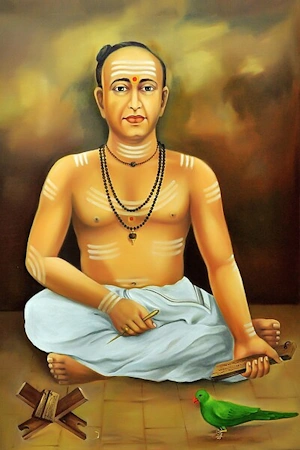
भूतात्मा – भूतानां आत्मा – अन्तर्यामी – ONE WHO CONTROLS BEINGS FROM INSIDE.
Duryodhana said once:
जानामि धर्मं न च मे प्रवृत्तिर्जानाम्यधर्मं न च मे निवृत्तिः।
केनापि देवेन हृदिस्थितेन यथा नियुक्तोऽस्मि तथा करोमि
– I know dharma, but I can’t engage myself in it. I know what is adharma, still, I can’t refrain from. Some deva from inside me is prompting me to do whatever I am doing. I just follow whatever I am being told to do. Pay special attention to the word deva. Duryodhana is saying that some devata is prompting him to do whatever atrocities he was committing.
Is this the antaryami that is being referred to here – the inner force that controls you?
Arjuna poses this question to Sri Hari in the 3rd chapter of Bhagavad Gita:
अथ केन प्रयुक्तोऽयं पापं चरति पूरुषः।
अनिच्छन्नपि वार्ष्णेय बलादिव नियोजितः
Under whose prompt, under what compulsion does a man engage in sin, even when he doesn’t want to – like what Duryodhana said.
Bhagawan answers:
काम एष क्रोध एष रजोगुणसमुद्भवः
महाशनो महापाप्मा विद्ध्येनमिह वैरिणम्
This is anger, hatred arising out of kama (desire, lust). And what is the cause of this kama? Excess of rajoguna in oneself. This kama and anger – they are insatiable. This is what prompts you to commit sin. This is vasana coming as part of your karmic chain.
This is not the antaryami.
They say – listen to your heart, listen to your inner self, listen to your conscience. When you do that, make sure you are not doing what Duryodhana was doing. He was also listening to his inner voice, doing exactly what the deva from inside was telling him to do.
Unless and until you are very sure about the nature of your inner voice, better to avoid making decisions listening to it.
एष सर्वभूतान्तरात्मा
जगत्सर्वं शरीरं ते – the whole universe is your body, says Ramayana.
तानि सर्वाणि तद्वपुः – all that is His body.
तत्सर्वं वै हरेस्तनुः – all that is Sri Hari’s body, who is the atma, antaryami within everything.
भूतभावनः – भूतानि भावयति, जनयति, वर्धयति इति भूतभावनः – He contemplates, creates, and nourishes beings, causes them to increase and grow. Through that, He is growing Himself. This term growth is a relative term. He has already encompassed everything, so in fact, there is no growth for Him.
The one and only way to get relief from tapatraya –
Tapatraya are the three forms of miseries: adhyatmika, adhibhoutika, and adhi daivika. Whenever you do sankalpa for a puja or a ritual, these are pronounced as one of the goals or intentions –
अध्यात्मिक, अधिभौतिक, अधिदैविक तापत्रय निवारणार्थम् – to get relief from these tapatrayas, these three forms of miseries.
-
What is the difference between the inner voice and the antaryami?
Your inner voice is a mix of habits, fears, and desires. The antaryami is the divine presence that never contradicts dharma. If a prompt pushes greed, ego, or harm, it is not the antaryami. -
How can I test whether a prompt inside me is trustworthy?
Check five things: it aligns with dharma, reduces anger and greed, you could tell a wise elder without shame, it stands the daylight test, and it leaves a calm, steady mind. -
Why do I sometimes feel pushed to do wrong even when I know it is wrong?
Desire and anger driven by rajas push the mind. That compulsion is conditioning, not divinity. -
Can my conscience be miswired?
Yes. Upbringing, trauma, bias, and peer pressure can twist what feels right. Training and reflection are needed to correct it. -
What trains the inner instrument to hear clearly?
Satsanga, svadhyaya, japa, honest self-audit, service, pure food, good sleep, and steady routines. These raise sattva and quiet the noise. -
Why do desires feel bottomless?
Rajas keeps asking for more. The cycle breaks with restraint, mindful pauses, and choosing long-term good over short thrills. -
What is tapatraya?
Three kinds of suffering: adhyatmika (from body and mind), adhibhoutika (from other beings and the environment), and adhidaivika (from forces beyond control like fate-like shocks). -
What does seeking relief from tapatraya actually look like?
A steadier mind, better choices, fewer conflicts, and a sense of grace in tough times. You still act, but with less agitation. -
Why state intentions before a ritual or prayer?
Sankalpa focuses the mind and channels effort. Naming relief from tapatraya directs your practice toward clear outcomes. -
If the universe is seen as the body of the Divine, how should that change my behaviour?
With reverence for people and nature, humility in success, and care in speech and action. Harm to others becomes harm to the whole. -
Who is called bhuta-bhavana?
The One who brings beings forth, sustains them, and helps them grow. Recognising this breeds gratitude and responsibility. -
Does the Infinite grow?
No. Growth is a creature’s measure. The Divine is complete already; growth describes our unfolding, not His. -
What should I do when desire or anger hijacks me?
Pause, breathe, name what is happening, step away from triggers, make amends if needed, and recommit to practice the same day. -
Is anger always wrong?
Blind, egoic anger corrodes judgment. Transformed as courage and disciplined energy, it can serve dharma; unchecked, it harms. -
What is a simple daily drill to avoid bad inner prompts?
Morning intention, midday check-in, evening review. Add one act of service and one act of restraint each day. Keep it small and consistent.





English
Vishnu Sahasranama
Click on any topic to open
7
30
Astrology
Bhagavad Gita
Bhagavatam
Bharat Matha
Devi
Devi Mahatmyam
Ganapathy
Garuda Puranam
Glory of Venkatesha
Hanuman
Kathopanishad
Mahabharatam
Mantra Shastra
Mystique
Practical Wisdom
Purana Stories
Radhe Radhe
Ramayana
Rare Topics
Rigveda Explained
Rituals
Sages and Saints
Shiva
Spiritual books
Sri Suktam
Story of Sri Yantra
Temples
Vedas
Vishnu Sahasranama
Yoga Vasishta
26
17
10
0


