Three Kinds of Miseries

Adhyatmika tapa – means misery or sorrow arising from deficiencies in oneself – ignorance, wrong knowledge, lack of knowledge, lack of interest, lethargy.
You thought that if you help someone, he will also help you in return – this is your false notion, ignorance – and you ended up in disappointment. This is adhyatmika tapa.
You thought health was permanent, wealth was permanent – and you ended up in sorrow. This is adhyatmika tapa.
Adhi bhoutika tapa – miseries due to physical reasons – burning from fire, diseases during rainy season, infections, accidents, trauma, fracture, anything because of which your body is affected.
Adhi daivika tapa – whatever we normally attribute to anger of divinity – floods, earthquake, storms.
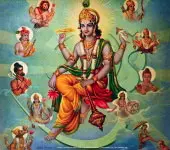
The one and only way to get relief from tapatraya – meaning all different kinds of miseries and sorrows – is to surrender yourself to Sri Hari.
If someone is bitten by a snake, how do you treat him? By giving him anti-venom, which itself is extracted from poison, which itself is poison. So, poison can kill; the same poison can save life also if used judiciously.
The entire system of homeopathy is based on this – similia similibus curator – any substance that can cause disease in a healthy person, the same substance, if used in a person suffering from the same disease, can cure him.
Most of the ingredients used in allopathic medicines, what are called molecules, are not amrita – they are poisons. Antibiotics are poisons. If you take more than the prescribed dosage, often in milligrams, it can be lethal. Poisons used to cure – and they work.
In the same way, if you want to cure bhava roga caused by your own karma, the medicine is also your own karma. By relinquishing karma, you can stop yourself from acquiring new bondages, new diseases. But the cure for existing bhava roga is karma itself. Use your own karma to cure all your sufferings that are caused by your own karma.
But how do you do that? Do karma, but now onwards surrender them to Sri Hari.
The karma mentioned in the shastras, the scriptures of Sanatana Dharma, are all meant to please Almighty, Divinity, Sri Hari – not for self-gratification. Be it dana, be it yajna, be it helping others, be it yama, be it niyama, be it samyama – they are all done to please Almighty, not for pleasing oneself. That is a big difference.
Doing something for pleasing oneself and doing something for pleasing God – that is a big difference. The first one binds; the second one relieves. That is a big difference.
You are doing karma only in both cases – one binds, the other releases. Karma performed to please Divinity not only will not cause attachment but will also relieve you from your existing miseries and attachments.
What karma to perform, how to perform karma without getting attached – this is what all our scriptures are about. This is what Vedas are about.
-
What are the three kinds of miseries in plain terms?
Adhyatmika comes from within you. Adhibhoutika comes from other beings or the environment. Adhidaivika comes from forces beyond your control like calamities. -
How do I quickly identify which type I am facing right now?
Ask three checks: did it start in my mind or habits, did it come from people or nature, or did it arrive as a sudden shock beyond planning. -
Can one problem belong to more than one type?
Yes. A flood damages home and triggers anxiety. That is both adhibhoutika and adhyatmika. -
Is surrender passive or active?
Active. You keep acting, but you offer the doership and results to Bhagavan. No sulking, no escape. -
How can karma cure karma?
By doing the right actions with clean intent, you burn old tendencies and avoid creating fresh chains. -
What does offering actions to Bhagavan look like in daily life?
Begin with a short sankalpa, do the task with care, avoid showmanship, accept the result without blame or pride, and mentally dedicate the fruit. -
How do I stop new karmic bondage while still working hard?
Serve a larger purpose, watch for ego spikes, keep promises, and close the day with self-audit and prayer. -
Are rituals necessary or is intention enough?
Intention is the core. Rituals help steady the mind and train discipline. Use both when possible. -
Is using a tough method ever justified by the poison as medicine idea?
Only with right guidance, proportion, and purpose. The point is discernment, not license to harm. -
How do I know my intent is clean?
Test it against four filters: it would not shame you in front of a wise teacher, it does not inflate ego, it helps someone beyond you, and it leaves a calm mind. -
What everyday actions count as karma offered to Bhagavan?
Honest work, dana given quietly, caring for family without resentment, keeping yama and niyama, and speaking truth without cruelty. -
What changes when attachment starts dropping?
Less anxiety about outcomes, fewer swings of pride and self blame, and more consistency in effort. -
What should I do when I am overwhelmed by suffering?
Stabilise breath, take the next right step, seek satsanga, keep japa, and ask for help. Do not freeze or lash out. -
How does this approach reduce the three miseries over time?
It cleans inner errors, improves choices in the world, and brings grace in events you cannot control. -
What is a simple daily drill to stay on track?
Morning sankalpa, mindful work blocks, one act of service, evening review, and a short offering of the day to Sri Hari.





English
Vishnu Sahasranama
Click on any topic to open
7
30
Astrology
Bhagavad Gita
Bhagavatam
Bharat Matha
Devi
Devi Mahatmyam
Ganapathy
Garuda Puranam
Glory of Venkatesha
Hanuman
Kathopanishad
Mahabharatam
Mantra Shastra
Mystique
Practical Wisdom
Purana Stories
Radhe Radhe
Ramayana
Rare Topics
Rigveda Explained
Rituals
Sages and Saints
Shiva
Spiritual books
Sri Suktam
Story of Sri Yantra
Temples
Vedas
Vishnu Sahasranama
Yoga Vasishta
26
17
10
0


