When Shiva Stopped Listening and Started Acting
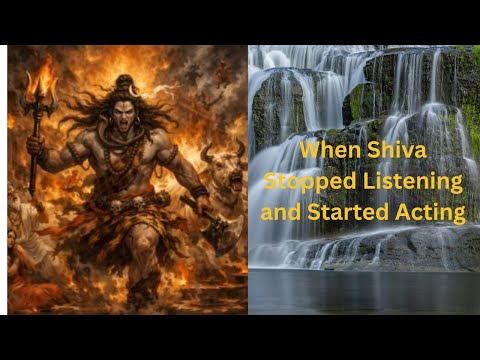
This comes right after Sati’s self-immolation and before the destruction of Daksha’s yajna. It captures the moment when the dust has settled but justice has not yet been served. Shiva’s ganas return defeated, humiliated, and grieving. They report everything: Daksha’s arrogance, the insult to Sati, the refusal of Shiva’s share, and the devas’ silent complicity. Narada steps in to verify the facts, and Shiva listens before acting. Only after hearing the full account does Shiva unleash Veerabhadra and Mahakali. So this passage is the ignition point — the shift from ritual arrogance to cosmic response. It explains why the yajna becomes a battlefield and why Shiva’s intervention is not petty revenge but a correction of adharma.
।। नारद उवाच ।।
श्रुत्वा व्योमगिरं दक्षः किमकार्षीत्तदाऽबुधः ।।
अन्ये च कृतवन्तः किं ततश्च किमभूद्वद ।। १ ।।
Narada says: After Daksha heard that mysterious voice from the sky, what did that ignorant fellow do? What did the others do? And what happened next? Tell me everything.
पराजिताः शिवगणा भृगुमन्त्रबलेन वै ।।
किमकार्षुः कुत्र गतास्तत्त्वं वद महामते ।। २
Also tell me, O wise one, when Shiva's ganas were defeated by the power of Bhrigu's mantras, what did they do? Where did they go?
।। ब्रह्मोवाच ।।
श्रुत्वा व्योमगिरं सर्वे विस्मिताश्च सुरादयः ।।
नावोचत्किञ्चिदपि ते तिष्ठन्तस्तु विमोहिताः ।।३।।
Brahma replies: All devas and others heard that sky-voice and were stunned. They simply froze in shock and could not speak at all.
पलायमाना ये वीरा भृगुमन्त्रबलेन ते ।।
अवशिष्टाश्शिवगणाश्शिवं शरणमाययुः ।।४।।
Those Shiva ganas who managed to escape the power of Bhrigu's mantras came running to Shiva for refuge.
सर्वं निवेदयामासू रुद्रायामिततेजसे ।।
चरित्रं च तथाभूतं सुप्रणम्यादराच्च ते ।। ५ ।।
They bowed to Rudra with humility and narrated everything exactly as it happened.
देवदेव महादेव पाहि नश्शरणागतान्।।
संशृण्वादरतो नाथ सती वार्तां च विस्तरात् ।। ६ ।।
The ganas said: O God of gods, Mahadeva! Protect us who have taken refuge in you. Please listen attentively, Lord, to the whole story of Sati.
गर्वितेन महेशानदक्षेन सुदुरात्मना ।।
अवमानः कृतस्सत्याऽनादरो निर्जरैस्तथा ।। ७ ।।
Daksha, filled with toxic pride, insulted Sati, and the devas also disrespected her.
तुभ्यं भागमदात्रो स देवेभ्यश्च प्रदत्तवान् ।।
दुर्वचांस्यवदत्प्रोच्चैर्दुष्टो दक्षस्सुगर्वितः ।। ८ ।।
That arrogant Daksha refused to offer your divine share in the yajna, gave shares only to devas, and shouted insulting words.
ततो दृष्ट्वा न ते भागं यज्ञेऽकुप्यत्सती प्रभो ।।
विनिंद्य बहुशस्तातमधाक्षीत्स्वतनुं तदा ।।९।।
Seeing that you received no share in the yajna, Sati became furious. She condemned Daksha harshly and gave up her body then and there.
गणास्त्वयुतसंख्याका मृतास्तत्र विलज्जया ।।
स्वांगान्याछिद्य शस्त्रैश्च क्रुध्याम ह्यपरे वयम् ।। १० ।।
Countless ganas were killed there. Out of shame, some even cut their own limbs. Others (like us) fought in anger, but…
तद्यज्ञे ध्वंसितुं वेगात्सन्नद्धास्तु भयावहाः ।।
तिरस्कृता हि भृगुणा स्वप्रभावाद्विरोधिना ।। ११ ।।
We charged forward to destroy the yajna, but Bhrigu stopped us with his mantra power and scattered us.
ते वयं शरणं प्राप्तास्तव विश्वम्भर प्रभो ।।
निर्भयान् कुरु नस्तस्माद्दयमानभवाद्भयात् ।। १२ ।।
So we have come to take refuge in you, O Lord who sustains the universe. Free us from fear by your compassion.
अपमानं विशेषेण तस्मिन् यज्ञे महाप्रभो ।।
दक्षाद्यास्तेऽखिला दुष्टा अकुर्वन् गर्विता अति ।। १३ ।।
O Great Lord, in that yajna Daksha and all those wicked proud people carried out extreme insults.
इत्युक्तं निखिलं वृत्तं स्वेषां सत्याश्च नारद ।।
तेषां च मूढबुद्धीनां यथेच्छसि तथा कुरु ।। १४ ।।
Thus the ganas narrated everything truthfully. Narada, about those foolish people, do as you think fit.
।। ब्रह्मोवाच ।।
इत्याकर्ण्यवचस्तस्य स्वगणानां वचः प्रभुः ।।
सस्मार नारदं सर्वं ज्ञातुं तच्चरितं लघु ।। १५ ।।
Hearing the ganas, Shiva remembered Narada, knowing that Narada was the quickest source of information.
आगतस्त्वं द्रुतं तत्र देवर्षे दिव्यदर्शन ।।
प्रणम्य शंकरं भक्त्या सांजलिस्तत्र तस्थिवान् ।। १६ ।।
Narada instantly appeared there. He bowed to Shankara and stood respectfully.
त्वां प्रशस्याथ स स्वामी सत्या वार्त्तां च पृष्टवान् ।।
दक्षयज्ञगताया वै परं च चरितं तथा ।।१७।।
Shiva praised Narada and then asked him about Sati and everything that happened at Daksha's yajna.
पृष्टेन शम्भुना तात त्वयाश्वेव शिवात्मना।।
तत्सर्वं कथितं वृतं जातं दक्षाध्वरे हि यत् ।।१८।।
Narada, addressed tenderly, narrated everything exactly as it occurred at Daksha's sacrifice.
तदाकर्ण्येश्वरो वाक्यं मुने तत्त्वन्मुखोदितम् ।।
चुकोपातिद्रुतं रुद्रो महारौद्रपराक्रमः।।१९।।
Hearing Narada's words, Shiva became intensely enraged. Rudra, whose valor is terrifying, boiled with wrath.
उत्पाट्यैकां जटां रुद्रो लोकसंहारकारकः ।।
आस्फालयामास रुषा पर्वतस्य तदोपरि ।।२०।।
Rudra tore out one of his matted locks and smashed it upon the mountain in fury. That force was enough to destroy worlds.
तोदनाच्च द्विधा भूता सा जटा च मुने प्रभोः ।।
संबभूव महारावो महाप्रलयभीषणः ।। २१ ।।
From the strike, the jata split in two, and a terrifying sound like the end of the world shook everything.
तज्जटायास्समुद्भूतो वीरभद्रो महाबलः ।।
पूर्वभागेन देवर्षे महाभीमो गणाग्रणीः ।। २२ ।।
From that jata arose Veerabhadra, a being of immense power, the leader of ganas, fierce and unstoppable.
स भूमिं विश्वतो वृत्त्वात्यतिष्ठद्दशाङ्गुलम् ।।
प्रलयानलसंकाशः प्रोन्नतो दोस्सहस्रवान् ।।२३।।
He stood towering above the ground by ten fingers height, blazing like the fire at cosmic dissolution, with a thousand arms.
कोपनिश्वासतस्तत्र महारुद्रस्य चेशितुः ।।
जातं ज्वराणां शतकं सन्निपातास्त्रयोदश ।।२४।।
From Rudra's angry breath arose a hundred fevers and thirteen deadly disorders (metaphor for destructive cosmic energies).
महाकाली समुत्पन्ना तज्जटापरभा गतः ।।
महाभयंकरा तात भूतकोटिभिरावृता ।।२५।।
From the other portion of the jata emerged Mahakali, terrifying and surrounded by legions of spirits.
सर्वे मूर्त्तिधराः क्रूराः स्वर लोकभयङ्कराः ।।
स्वतेजसा प्रज्वलंतो दहंत इव सर्वतः ।। २६ ।।
All the beings arising there took form, were fierce, terrifying even to heaven, and shone like living flames that could burn worlds.
अथ वीरो वीरभद्रः प्रणम्य परमेश्वरम्।।
कृतांजलिपुटः प्राह वाक्यं वाक्यविशारदः ।।२७।।
Then Veerabhadra, with folded hands, bowed to Shiva and spoke clearly and confidently.
।। वीरभद्र उवाच ।।
महारुद्र महारौद्र सोमसूर्याग्निलोचन ।।
किं कर्तव्यं मया कार्यं शीघ्रमाज्ञापय प्रभो ।।२८।।
Veerabhadra said: O Great Rudra, fierce one, whose eyes are moon, sun, and fire! Tell me what task I should accomplish. Command me quickly.
शोषणीयाः किमीशान क्षणार्द्धेनैव सिन्धवः ।।
पेषणीयाः किमीशान क्षणार्द्धेनैव पर्वताः ।।२९।।
Should I dry up oceans instantly? Should I crush mountains in half a moment? Just say the word.
क्षणेन भस्मसात्कुर्यां ब्रह्माण्डमुत किं हर ।।
क्षणेन भस्मसात्कुर्याम्सुरान्वा किं मुनीश्वरान् ।।३०।।
Shall I burn the entire cosmos to ashes? Or shall I reduce all devas or even sages to dust? Say it and it is done.
व्याश्वासः सर्वलोकानां किमु चार्यो हि शङ्कर ।।
कर्तव्य किमुतेशान सर्वप्राणिविहिंसनम् ।।३१।।
Do you want me to spread panic through all worlds? Should I destroy all living beings? Tell me exactly.
ममाशक्यं न कुत्रापि त्वत्प्रसादान्महेश्वर ।।
पराक्रमेण मत्तुल्यो न भूतो न भविष्यति ।। ३२ ।।
By your grace nothing is impossible for me. In sheer force, none equals me and none ever will.
यत्र यत्कार्यमुद्दिश्य प्रेषयिष्यसि मां प्रभो ।।
तत्कार्यं साधयाम्येव सत्वरं त्वत्प्रसादतः।।३३।।
Wherever you send me, whatever task you assign, I will execute it at once by your grace.
क्षुद्रास्तरन्ति लोकाब्धिं शासनाच्छङ्करस्य ते ।।
हरातोहं न किं तर्तुं महापत्सागरं क्षमः ।। ३४ ।।
If small beings can cross the ocean of existence by obeying you, why would I not accomplish any great task?
त्वत्प्रेषिततृणेनापि महत्कार्यं मयत्नतः ।।
क्षणेन शक्यते कर्तुं शङ्करात्र न संशयः ।।३५।।
Even a blade of grass sent by you could achieve great deeds. There is no doubt in this.
लीलामात्रेण ते शम्भो कार्यं यद्यपि सिद्ध्यति ।।
तथाप्यहं प्रेषणीयो तवैवानुग्रहो ह्ययम् ।। ३६ ।।
Shambhu, although you can accomplish anything effortlessly, still you command me, and that itself is your blessing to me.
शक्तिरेतादृशी शम्भो ममापि त्वदनुग्रहात् ।।
विना शक्तिर्न कस्यापि शङ्कर त्वदनुग्रहात् ।। ३७ ।।
My power exists only because of your grace. Without your grace, no one has power, O Shankara.
त्वदाज्ञया विना कोपि तृणादीनपि वस्तुतः ।।
नैव चालयितुं शक्तस्सत्यमेतन्न संशयः ।। ३८ ।।
Without your command, truly no one can move even a blade of grass. This is the truth.
शम्भो नियम्यास्सर्वेपि देवाद्यास्ते महेश्वर ।।
तथैवाहं नियम्यस्ते नियंतुस्सर्वदेहिनाम् ।। ३९ ।।
Just as you control all devas and beings, in the same way control me, for I too am the ruler of beings only through you.
प्रणतोस्मि महादेव भूयोपि प्रणतोस्म्यहम् ।।
प्रेषय स्वेष्ट सिद्ध्यर्थं मामद्य हर सत्वरम् ।।४०।।
I bow to you again and again, O Mahadeva. Command me now, send me at once to achieve your purpose.
स्पन्दोऽपि जायते शम्भो सख्याङ्गानां मुहुर्मुहुः ।।
भविष्यत्यद्य विजयो मामतः प्रेषय प्रभो ।। ४१ ।।
O Shambhu, even my limbs tremble with battle-energy. Victory is ready today; send me, Lord!
हर्षोत्साहविशेषोपि जायते मम कश्चन ।।
शंभो त्वत्पादकमले संसक्तश्च मनो मम ।। ४२ ।।
A special joy and enthusiasm rises within me. My mind is attached to your lotus feet, O Shambhu.
भविष्यति प्रतिपदं शुभसन्तानसन्ततिः ।। ४३ ।।
तस्यैव विजयो नित्यं तस्यैव शुभमन्वहम् ।।
यस्य शंभौ दृढा भक्तिस्त्वयि शोभनसंश्रये ।।४४।।
Blessings and auspiciousness flow endlessly for the one who has firm devotion to you. Victory always belongs to the one whose heart is fixed in Shambhu.
।। ब्रह्मोवाच ।।
इत्युक्तं तद्वचः श्रुत्वा सन्तुष्टो मङ्गलापतिः ।।
वीरभद्र जयेति त्वं प्रोक्ताशीः प्राह तं पुनः ।। ४५ ।।
Brahma says: Hearing these words, Shiva was pleased and said: 'Veerabhadra, be victorious!'
।। महेश्वर उवाच ।।
शृणु मद्वचनं तात वीरभद्र सुचेतसा ।।
करणीयं प्रयत्नेन तद्द्रुतं मे प्रतोषकम् ।। ४६ ।।
Maheshvara said: Listen carefully, Veerabhadra. There is a task that must be done quickly to satisfy me.
यागं कर्तुं समुद्युक्तो दक्षो विधिसुतः खलः ।।
मद्विरोधी विशेषेण महागर्वोऽबुधोऽधुना ।। ४७ ।।
Daksha, the son of Brahma, wicked and foolish, is performing a yajna with great arrogance and hostility toward me.
तन्मखं भस्मसात्कृत्वा सयागपरिवारकम् ।।
पुनरायाहि मत्स्थानं सत्वरं गणसत्तम ।।४८।।
Destroy that sacrifice completely, along with all who support it, and then return to me quickly, O greatest of ganas.
सुरा भवन्तु गन्धर्वा यक्षा वान्ये च केचन ।।
तानप्यद्यैव सहसा भस्मसात्कुरु सत्वरम्।।४९।।
If devas, gandharvas, yakshas or others are present there, burn them to ashes instantly if they support Daksha.
तत्रास्तु विष्णुर्ब्रह्मा वा शचीशो वा यमोपि वा ।।
अपि चाद्यैव तान्सर्वान्पातयस्व प्रयत्नतः ।।५०।।
Whether Vishnu, Brahma, Indra or Yama are there — if they have violated my oath — bring them down as well.
सुरा भवंतु गन्धर्वा यक्षा वान्ये च केचन ।।
तानप्यद्यैव सहसा भस्मसात्कुरु सत्वरम् ।। ५१ ।।
Shiva repeats the command for emphasis: any such gods or semi-divine beings, destroy immediately.
दधीचिकृतमुल्लंघ्य शपथं मयि तत्र ये ।।
तिष्ठंति ते प्रयत्नेन ज्वालनीयास्त्वया ध्रुवम् ।। ५२ ।।
Those who broke the oath sworn by Dadhichi in my name must surely be burned by you.
प्रमथाश्चागमिष्यन्ति यदि विष्ण्वादयो भ्रमात् ।।
नानाकर्षणमन्त्रेण ज्वालयानीय सत्वरम् ।। ५३ ।।
If Vishnu and others send their warriors, burn them too with special attraction mantras.
ये तत्रोल्लङ्घ्य शपथं मदीयं गर्विताः स्थिताः ।।
ते हि मद्द्रोहिणोऽतस्तान् ज्वालयानलमालया ।। ५४ ।।
Anyone who stood there proudly after breaking my oath is my enemy; burn them with rings of fire.
सपत्नीकान्ससारांश्च दक्षयागस्थलस्थितान् ।।
प्रज्वाल्य भस्मसात्कृत्वा पुनरायाहि सत्वरम् ।।५५।।
Burn Daksha, his allies, and everyone present at the yajna to ashes and then return swiftly.
तत्र त्वयि गते देवा विश्वाद्य अपि सादरम् ।।
स्तोष्यंति त्वां तदाप्याशु ज्वालया ज्वालयैव तान् ।।५६।।
After you enter, even Vishnu and other devas will try to praise you. Burn them too if they are guilty.
देवानपि कृतद्रोहान् ज्वालामालासमाकुलः ।।
ज्वालय ज्वलनैश्शीघ्रं माध्यायाध्यायपालकम् ।।५७।।
Even devas who betrayed must be burned, especially those who maintained Daksha's ritual out of pride.
दक्षादीन्सकलांस्तत्र सपत्नीकान्सबान्धवान् ।।
प्रज्वाल्य वीर दक्षं नु सलीलं सलिलं पिब ।। ५८ ।।
Burn Daksha, his relatives, his supporters and everyone at the yajna. Then, hero, drink water peacefully — meaning: finish the task and return calmly.
।। ब्रह्मोवाच ।।
इत्युक्तो रोषताम्राक्षो वेदमर्यादपालकः ।।
विरराम महावीरं कालारिस्सकलेश्वरः ।।५९।।
Brahma concludes: Shiva, his eyes red with rage, the protector of cosmic order, finished speaking. Veerabhadra, the great hero who is the terror of Time itself, received the command.
Q: Why did Shiva’s ganas flee instead of fighting to the end?
A: Because Bhrigu’s mantra power overwhelmed them. These were not ordinary blows; mantras aligned with ritual authority can disable even divine attendants. Defeat here doesn’t show cowardice, it shows the imbalance created by yajna-based power against unsupported warriors.
Q: Why did the ganas run to Shiva instead of taking revenge directly?
A: Because they knew the insult was not personal — it was cosmic. Sati was not just Daksha’s daughter, she was Shiva’s consort and a form of Shakti. Any retaliation from the ganas without Shiva’s sanction would have been adharmic and pointless. So they asked for refuge, not revenge.
Q: Why does Narada appear at this moment?
A: In Puranic language, Narada shows up when clarity and transmission are needed. Shiva doesn’t act on rumor; he verifies. Narada is the witness, the messenger, and the one who stitches different realms together. His questions fill the factual gaps.
Q: Why does Shiva tear out his jata instead of just marching to Daksha’s yajna himself?
A: Because Shiva’s anger is not linear. His jata contains cosmic power. Removing it is symbolic: the restraint is released. Veerabhadra is not just muscle; he is Shiva’s wrath personified. Instead of descending personally, Shiva sends the force that matches the offense.
Q: Who exactly is Veerabhadra in this scene?
A: He is Shiva’s delegated fury — born directly from Shiva’s jata. The text emphasizes his scale (towering size, multiple arms, fire-like brilliance) to show this isn’t a soldier; it’s a cosmic verdict.
Q: What makes Daksha’s yajna adharmic?
A: Not the ritual itself but the intent. He removed Shiva’s share, insulted Sati, and allowed devas to join in silent approval. A yajna without reverence becomes hollow — even hostile. So Shiva’s response is not sabotage of religion; it is a correction of corrupted ritualism.
Q: What is the significance of Shiva saying even Brahma, Vishnu, or Indra can be burned?
A: It shows that divine hierarchy does not protect against complicity. The offense here is breaking a divine oath and endorsing an insult to Shakti. Shiva places dharma above status. Names don’t shield guilt.
Q: What does this whole chapter set up?
A: The transformation of Daksha’s yajna from a ritual ceremony into a field of cosmic correction. After this, the question is no longer 'Will Shiva respond?' but 'How severe will the correction be?'





English
Shiva
Click on any topic to open
7
30
Astrology
Bhagavad Gita
Bhagavatam
Bharat Matha
Devi
Devi Mahatmyam
Ganapathy
Garuda Puranam
Glory of Venkatesha
Hanuman
Kathopanishad
Mahabharatam
Mantra Shastra
Mystique
Practical Wisdom
Purana Stories
Radhe Radhe
Ramayana
Rare Topics
Rigveda Explained
Rituals
Sages and Saints
Shiva
Spiritual books
Sri Suktam
Story of Sri Yantra
Temples
Vedas
Vishnu Sahasranama
Yoga Vasishta
26
17
10
0


