Who Is Alakshmi or Jyeshta Lakshmi?
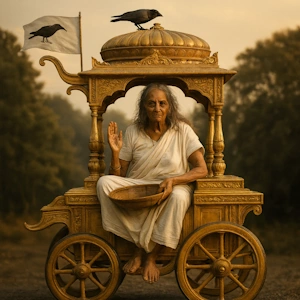
Who is Alakshmi or Jyeshtalakshmi?
मां प्रणम्य पुनर्देवा ममन्थुः क्षीरसागरम् ।
तस्मिन् प्रमथ्यमाने तु मया देवैश्च भाविनि ! ॥
ज्येष्ठा देवी समुत्पन्ना रक्तस्रग्वाससावृता ।
उत्पन्ना साब्रवीद्देवान् किं कर्त्तव्यं मयेति वै ॥
Mahadeva is telling Parvathy Devi about the churning of the milky ocean. As the churning went on, various things and beings came out. One of them was Alakshmi – Jyeshta Lakshmi.
She is called Jyeshta because she emerged from the milky ocean before Lakshmi. So, she is elder to Lakshmi – Jyeshta Lakshmi. She was wearing red clothes and a red garland and she asked, what am I to do?
तामब्रुवंस्तदा देवीं सर्व्वे देवगणा भृशम् ।
येषां गृहान्तरे नित्यं कलहं संप्रवर्त्तते ॥
तत्ते स्थानं प्रयच्छामो वासस्तत्र शुभानने ! ।
यस्य गेहे कपालास्थिभस्मकेशादिचिह्नितम् ॥
परुषं भाषते नित्यं वदन्त्यनृतवादिनः ।
सन्ध्याकाले च ये पापाः स्वपन्ति मलचेतसः ॥
तेषां वेश्मनि संतिष्ठ दुःखदारिद्र्यदायिनी ।
Your duty is to cause daridrya and miseries – दुःखदारिद्र्यदायिनी.
Where? Places are specified – in houses where there is constant quarrel, constant fights, in the houses of people who are dishonest, who speak rudely to others. In houses where bones, skulls and such other inauspicious items are kept. In the houses of those who sleep during sunrise and sunset.
कपालकेशभस्मास्थितुषाङ्गाराणि यत्र तु ॥
तत्र ते सततं स्थानं भविष्यति न संशयः ।
अकृत्वा पादयोः शौचं यस्त्वाचामति दुर्म्मतिः ॥
तं भजस्व सदा देवि ! कलुषेणावृता भृशम् ।
तृणाङ्गारकपालाश्मवालुकायसचर्म्मभिः ॥
दन्तधावनकर्त्तारो भविष्यन्ति नराधमाः ।
रमस्व कलिना देवि ! तेषां वेश्मसु नित्यशः ॥
तिलपिष्ठञ्च नक्तञ्च कालिङ्गशिग्रुगृञ्जनम् ।
छत्राकं विड्वराहञ्च विल्वकोषातकीफलम् ॥
अलावुश्रीफलं ये वै खादयन्ति नराधमाः ।
तेषां गृहे तव स्थानं देवि ! दारिद्र्यदे ! सदा ॥
Various other acts prohibited by Dharma Shastra are mentioned. Alakshmi comes and occupies the houses of all those who are engaged in such acts.
इत्यादिश्य सुराः सर्व्वे ते ज्येष्ठां कलिवल्लभाम् ।
पुनश्च मन्थनं चक्रुः क्षीराब्धिं सुसमाहिताः ॥
There is a way to prevent being affected by Alakshmi.
नारायणं जपेन्नित्यं प्रणम्य पुरुषोत्तमम्
स्वपन्नारायणं देवं गच्छन्नारायणं तथा
Keep on chanting Narayana’s name. While sleeping, while walking keep on chanting his name.
भुञ्जन्नारायणं विप्रास्तिष्ठन्जाग्रत्सनातनम्
उन्मिषन्निमिषन्वाऽपि नमो नारायणेति वै
While eating chant his name, while standing chant his name, when awake chant his name, while closing your eyelids chant his name, while opening your eyelids chant his name.
And the nama mentioned here is नमो नारायण.
Grammarians may object. It should be नमो नारायणाय in chaturthi vibhakti citing नमःस्वस्तिस्वाहास्वधालंवषड्योगाच्च एभिर्योगे चतुर्थी स्यात्. But shloka says Namo Narayana – that is what is to be followed in this case. It is not an error. You will see several such instances all over scriptures. You can’t confine the freedom of Rishis and Acharyas with rules of grammar.
भोज्यं पेयं च लेह्यं च नमो नारायणेति यः
अभिमन्त्र्य स्पृशन् भुंक्ते स याति परमां गतिं
While eating, drinking, before that, touch it and chant Namo Narayana. Nothing else is required to obtain parama gati.
सर्वपापविनिर्मुक्तः प्राप्नोति परमां गतिम्
अलक्ष्मीश्च मया प्रोक्ता पत्नी या दुस्सहस्य च्
नारायणपदं ध्यात्वा नश्यत्येव न संशयः
Not only that, by remembering him Alakshmi is destroyed. This is the technique – constantly remember him, constantly chant his name. Alakshmi will not affect you.
त्वां वृणे – I am accepting you as my mother. My protective goddess.
How do I know if Alakshmi type energy is active in my home?
-
Frequent harsh speech, constant nitpicking, or cold silence after fights.
-
Messy thresholds, dusty mandir/puja room, lamps rarely lit.
-
Sleep cycles that ignore sunrise and sunset, leading to low energy and irritability.
-
Décor that glorifies decay or violence; a general vibe of heaviness and delay.
What changes when I bring in Vishnu–Lakshmi remembrance daily?
-
Quarrels drop because the mind has a focal anchor; words turn measured.
-
Money leaks reduce as decisions get calmer and cleaner.
-
Sleep improves; BP and sugar often stabilize with lower stress reactivity.
-
Work feels guided; fewer impulsive risks, more steady wins.
Is chanting ‘Namo Narayana’ really practical for finances?
-
It cuts anxiety loops that drive poor choices and compulsive spending.
-
It builds satya and daya in speech, which strengthens trust at work.
-
It nudges timely action: bills paid on time, tasks not postponed.
-
Grace follows order; order follows remembrance. Results show up as opportunities.
What daily habits invite Lakshmi and keep Alakshmi away?
-
Wake near sunrise; step outside for light within 30 minutes.
-
Keep the threshold clean; light a deepa and offer water or flowers in the mandir.
-
Speak truth gently; avoid sarcasm and exaggeration in business and at home.
-
Eat simple sattvic meals on time; avoid late-night heavy foods.
Is sleeping at sunrise or sunset literally harmful, or symbolic?
-
Practically, it wrecks circadian rhythm, mood, and digestion.
-
Emotionally, you wake dull and short-tempered, fueling conflict.
-
Spiritually, you miss natural windows for prayer and gratitude.
-
Fix with a 7–8 hour sleep block that ends before sunrise on most days.
How do couples reduce fights using bhakti?
-
Do a 5-minute evening deepa and joint ‘Namo Narayana’ round of 108.
-
Keep a soft rule: no judgmental talk after 9 pm.
-
Weekly satya check: one truth I hid, one truth I heard. Clean it up kindly.
-
Monthly ‘dana date’: give together; shared giving bonds hearts.
What is a simple routine to start today?
-
Morning: bathe, sweep threshold, light deepa, chant ‘Namo Narayana’ 108 times.
-
Midday: 1 minute of silent remembrance before meals.
-
Evening: lamp again, 11 chants with the family; express one gratitude each.
-
Night: no screens 30 minutes before bed; 12 slow breaths with the name.
How does this touch physical health directly?
-
Name-repetition slows breathing and heart rate; lowers stress hormones.
-
Regular sleep and meals stabilize glucose and blood pressure.
-
Reduced conflict means fewer adrenaline spikes; better gut health.
-
Clean spaces cut dust load and infections; more stable immunity.
What about home décor and objects that feel inauspicious?
-
Avoid bones, skull motifs, and gloom-heavy art in living and prayer spaces.
-
Prefer clean, bright, life-affirming symbols; keep broken items out.
-
Keep the mandir uncluttered; wipe frames and idols weekly.
-
Sound matters: soft bell, shankha, or a short Vishnu sahasranama clip daily.
Is saying ‘Namo Narayana’ grammatically off?
-
Mantra tradition stands on revealed usage; follow the received form.
-
The power is in shraddha, constancy, and the exact handed-down wording.
-
Do not overthink the case-ending; keep the heart steady and the tongue clean.
How do I bring this into a busy city life without looking overly religious?
-
Whisper the name while walking, commuting, and waiting in queues.
-
Use phone alarms titled ‘Namo Narayana’ at sunrise and sunset.
-
Keep a tiny travel deepa or use a single diya at home; no fuss, daily.
-
Offer the first sip and first bite mentally with the name.
What if my partner or family is not interested?
-
Do not preach; let your calm speech and reliability speak.
-
Keep the routine short and consistent; invite, never force.
-
Celebrate small wins together: one peaceful dinner, one early morning.
-
Pray for their welfare by name; grace works quietly.
How does this help my love life in a sane, respectful way?
-
Name-remembrance cools ego spikes; apologies arrive faster.
-
Shared evening lamp-time deepens trust and oxytocin bonding.
-
Less gossip and more truth create safety; intimacy follows safety.
-
A grateful mind notices the partner’s good; validation becomes natural.
What if I am already in debt or facing losses? Is this blaming me?
-
No blame; this is a reset protocol, not a verdict.
-
Start with order: sleep, speech, spending diary, and daily name.
-
Replace one draining habit each week; track savings and mood.
-
Ask Lakshmi for right doors to open; act when they do.
Can I get a clear weekly plan?
-
Mon–Fri: morning 108 times, evening 11 times chanting with family; no harsh words after 9 pm.
-
Sat: declutter 1 shelf; discard broken or dark objects.
-
Sun: dana and a shared meal with someone in need; gratitude round at night.
-
Daily: ‘Namo Narayana’ before food, during commute, and at lights-out.





English
Vishnu Sahasranama
Click on any topic to open
7
30
Astrology
Bhagavad Gita
Bhagavatam
Bharat Matha
Devi
Devi Mahatmyam
Ganapathy
Garuda Puranam
Glory of Venkatesha
Hanuman
Kathopanishad
Mahabharatam
Mantra Shastra
Mystique
Practical Wisdom
Purana Stories
Radhe Radhe
Ramayana
Rare Topics
Rigveda Explained
Rituals
Sages and Saints
Shiva
Spiritual books
Sri Suktam
Story of Sri Yantra
Temples
Vedas
Vishnu Sahasranama
Yoga Vasishta
26
17
10
0


